 Skip to content
Air Duct Cleaning • Storm Season • Tampa, FL
After a Tampa Storm: Should You Clean Your Air Ducts or Replace Them?
Tampa storms can leave behind more than puddles and a wet yard. Even if your home did not fully flood, a big humidity spike, attic moisture, or water intrusion can cause that familiar musty smell a few days later.
If you are wondering whether your air ducts need cleaning or full replacement, here is what actually matters, what to check first, and what not to fall for.
Quick answer: If your ductwork stayed dry, cleaning may be enough. If insulated ducts got wet or moldy, replacement is often the safer move because wet or moldy duct insulation cannot be effectively cleaned and should be removed and replaced.
Also, if water entered your HVAC system or ducts, do not run the system until it is inspected and the moisture source is fixed. Mold grows fast when materials stay wet. Guidance commonly recommends drying wet materials within 48 hours or removing them.
- What to check after a Tampa storm
- When cleaning is the right answer
- When replacement makes more sense
- Quick warning about $49 duct cleaning deals
- What to do next
- FAQ
What to Check After a Tampa Storm
You do not need to guess. A few simple checks can tell you whether you are dealing with normal post-storm stuff, or a duct issue that needs attention.
A musty odor can mean moisture is sitting somewhere it should not. In Tampa, that can be duct insulation, an attic area, or HVAC components that stayed damp after the storm.
Storm cleanup often stirs up insulation fibers, drywall dust, and attic debris. If you see dust puffing out of registers, or your home gets dusty fast again, it is a sign the system may be holding buildup.
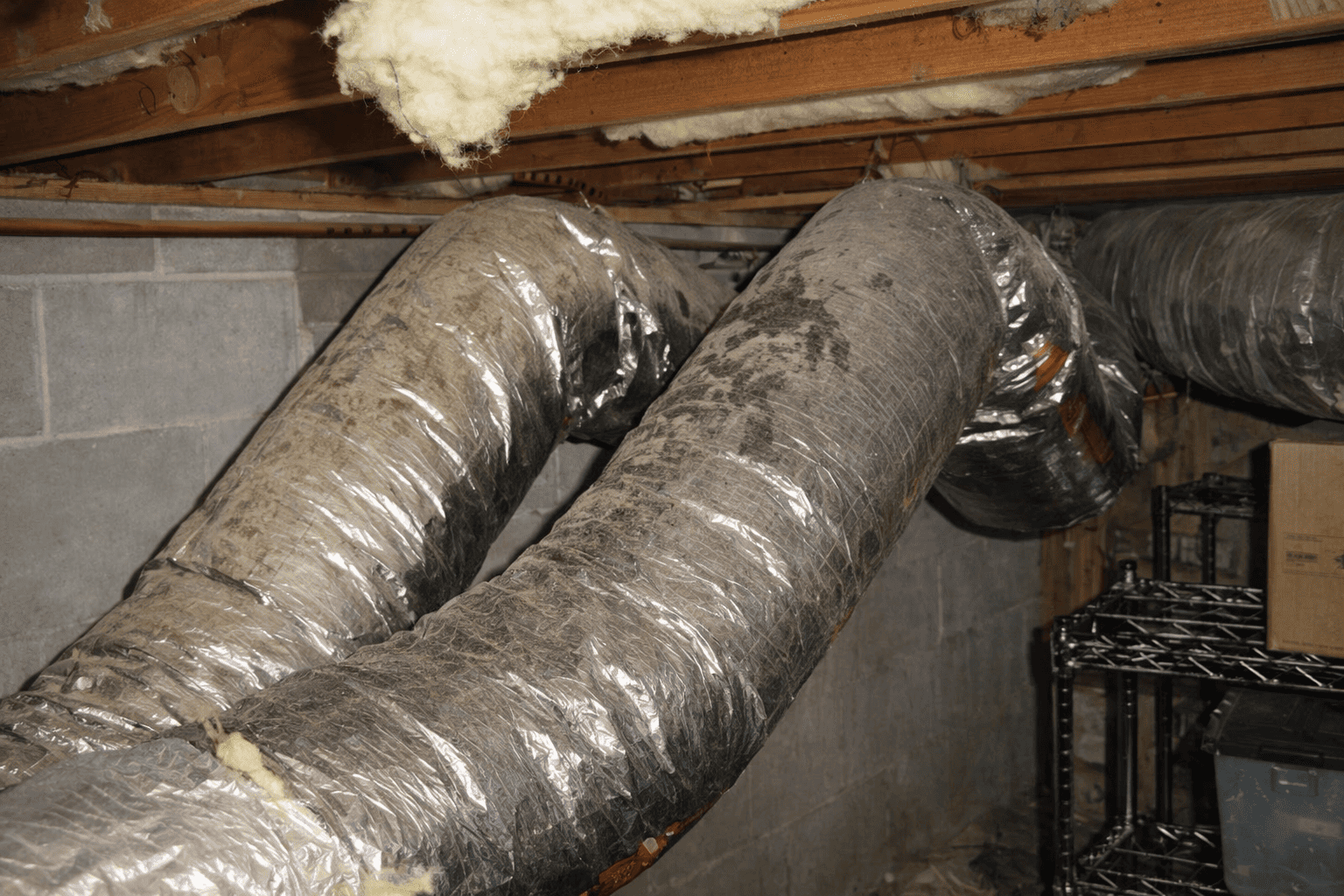
This is the big one. If your ducts are insulated and the insulation got wet, that moisture can linger and become a mold problem. Wet or moldy duct insulation is typically not something you want to keep.
Restricted airflow can come from multiple issues, but after storms it can also point to damp, sagging flex duct, blocked returns, or debris buildup that is reducing airflow.
When You Should Clean Your Air Ducts
Here is the truth. Most homes do not need duct cleaning on a schedule. Even the EPA generally recommends cleaning only when there is a specific reason, like visible contamination, pests, or excessive dust and debris coming from vents.
Cleaning is usually the right move if
- Your home did not flood and duct insulation stayed dry
- You have dust blowing from vents or heavy buildup in returns
- You notice odors, but there is no wet insulation or confirmed mold in insulation
- Storm cleanup or attic work stirred up debris that likely entered the system
- You want a proper inspection to confirm what is inside the ducts before spending on replacement
A real duct cleaning should be focused on removal of debris using contained equipment, not just a quick vacuum at the registers. If the moisture source is not fixed, problems like odors or mold can come back.
When You Should Replace Ducts Instead of Cleaning
Replacement is not always needed, but after storms it becomes more likely when water and insulation get involved. This is especially common in Florida attics where humidity stays high.
The EPA notes that if insulated air ducts get wet or moldy, the insulation cannot be effectively cleaned and should be removed and replaced. This is a key reason replacement is recommended after water intrusion.
Flood water can carry contaminants you do not want circulating indoors. If ducts were submerged or filled with water, replacement may be recommended depending on duct type, contamination, and how long it stayed wet.
Storms do not just bring water. They can shift attic insulation, damage duct runs, and cause flex duct to sag. If airflow is poor and the duct material is failing, replacement can solve the problem better than cleaning.
What Not to Fall For: The $49 Duct Cleaning Sales Trap
After storms, a lot of homeowners search for fast help. That is exactly when the cheap coupons show up. Here is the pattern we see all the time in Tampa.
Common red flags
- Price is extremely low and only covers a few vents
- They do not inspect the system first
- They instantly claim mold without showing proof
- They push expensive add-ons on the spot
- They cannot explain what equipment they will use or what is included
If you want duct cleaning after a storm, the best move is simple. Get a real inspection, confirm whether anything is wet or contaminated, and decide clean versus replace based on what is actually happening.
What to Do Next
- If you suspect moisture, do not delay. Wet materials should be dried quickly, ideally within 48 hours, or removed to prevent mold.
- Change your HVAC filter and make sure returns are not blocked.
- If there was flooding, do not run the HVAC until it is inspected.
- Schedule a duct inspection to see whether cleaning is enough or replacement is smarter.
FAQ
Should I run my AC after a storm?
If your HVAC system or ductwork was flooded or you suspect water intrusion, avoid running it until it is inspected. Running a wet system can spread contaminants and increase mold risk.
How do I know if my ducts are insulated?
In many Tampa attics, duct runs are wrapped with insulation or are flexible duct with insulation built in. If that insulation is damp, soft, or stained, it needs attention.
Is duct cleaning always necessary after a storm?
Not always. Guidance generally suggests cleaning only when there is a specific reason like visible contamination, pests, or excessive debris. After storms, the key question is whether moisture or contamination entered the system.
If there is mold, can it just be sprayed?
Spraying does not fix the moisture problem. If duct insulation is wet or moldy, it is commonly recommended to remove and replace it. The moisture source must be corrected or the issue can return.
Need a Post Storm Duct Inspection in Tampa?
United Duct Care can inspect your system and give you a straight answer on cleaning versus replacement. No scare tactics. Just what matters and what to do next.
Request Callback Call (888-351-8505
Helpful link: See Our Services
Safety references used: EPA guidance on wet or moldy insulated ducts and when duct cleaning is appropriate, plus CDC guidance on drying wet materials quickly to prevent mold.
